Départements: Corse-du-Sud, Haute-Corse
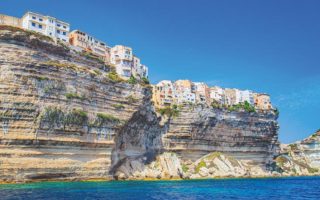
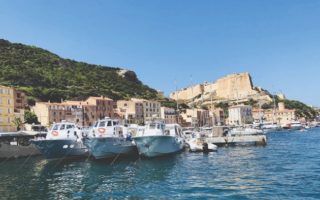
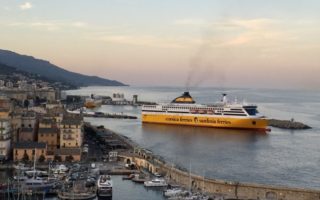
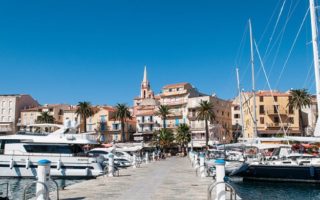
Principal cities: Ajaccio, Bastia, Bonifacio, Calvi, Corte
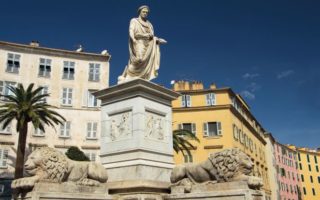
A rugged, mountainous Mediterranean island 105 miles south of the French Riviera and 50 miles west of Italy, Corsica was first settled by Greek traders in the 6th century BC, colonized by the Romans, and governed by the city-state of Genoa for nearly five centuries. During a brief independence movement led by Pascal Paoli in 1768, Genoa ceded Corsica to France; French troops defeated Paoli in 1769, the year that Napoleon Bonaparte was born in Ajaccio.
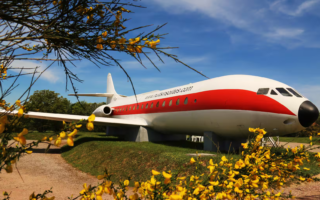
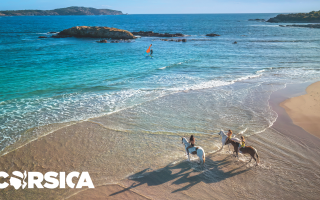
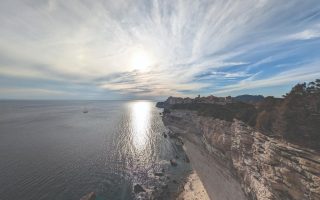
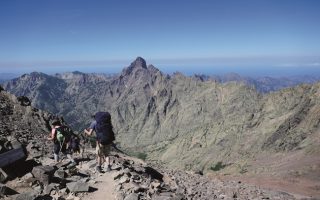
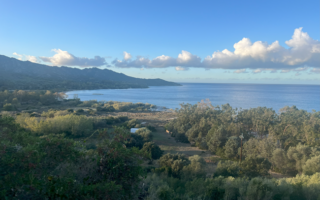
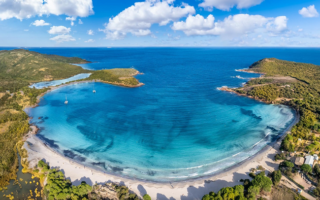
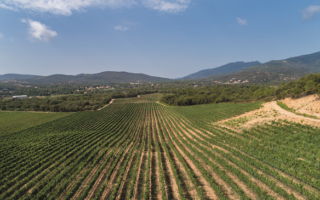
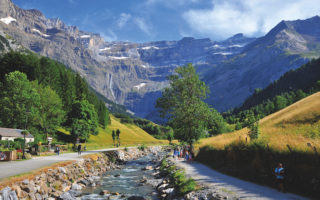
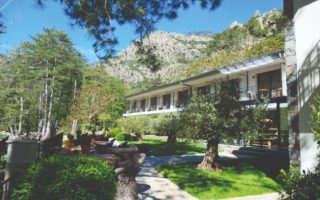
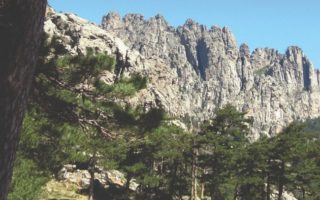
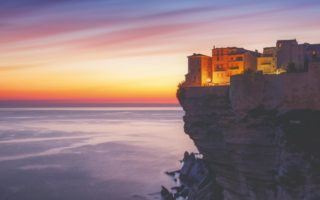
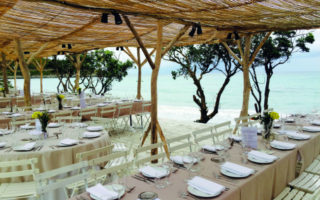
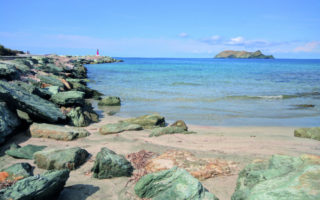
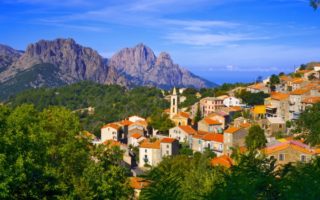
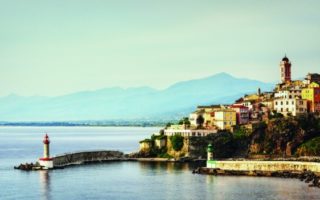
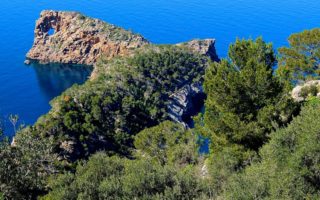
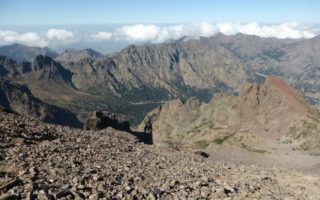
Nicknamed the Ile de Beauté, Corsica is much smaller than Sardinia and Sicily, but the most elevated of all the Mediterranean islands—its highest peak, Monte Cinto, is snow-covered all year. The central mountains are surrounded by forests, plains, vineyards and the thick fragrant scrub of the maquis. The 650 miles of coastline are a jagged succession of cliffs, coves, bays and sandy beaches along an exceptionally crystalline green and aquamarine sea.
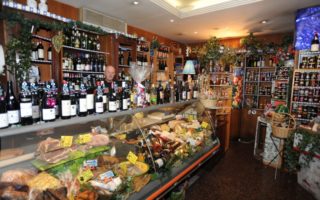
The Corsican language, similar to Sicilian, is still taught in schools, and most often heard in the island’s renowned polyphonic chants. Food specialties include charcuterie from mountain pigs fed on acorns, chestnuts, wild berries and herbs. Brocciu is fresh goat or sheep cheese, and wines include Patrimonio, Muscat de Cap Corse and others from Calvi, Sartène, Figari and Porto-Vecchio.